
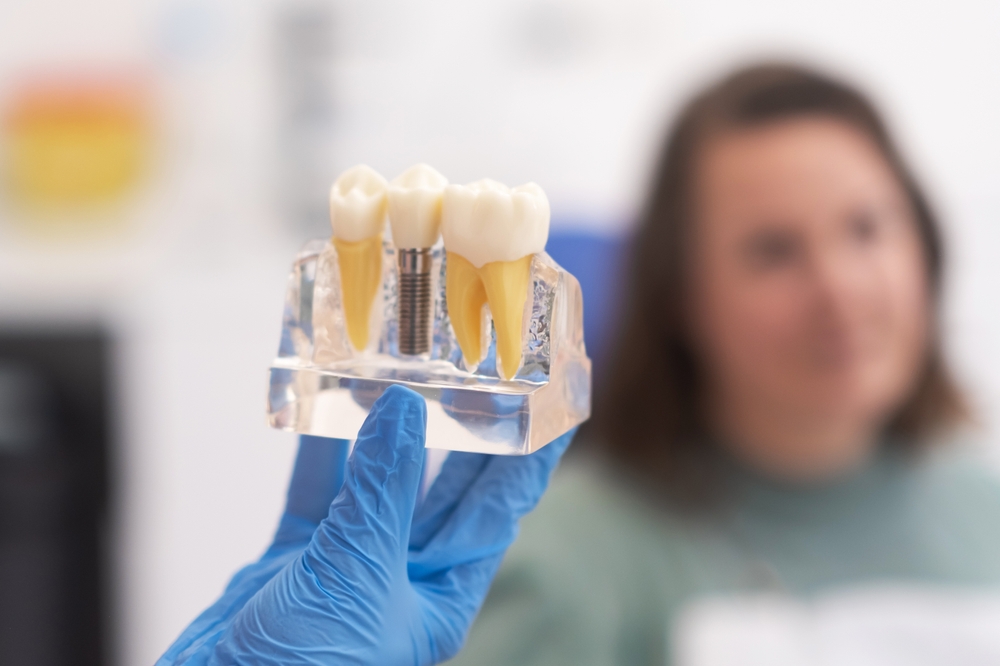
Choosing the right solution for tooth replacement can be a complex decision. Understanding the differences and benefits of each option available is crucial to making an informed choice. At Medina Family Dental, we aim to help our patients make decisions with confidence. In this blog, we will compare two primary tooth replacement options: the single tooth implant and the dental bridge.
Understanding Single Tooth Implants
A single tooth implant is a surgically inserted titanium post that replaces a missing tooth root, providing a stable foundation for a crown. This option is known for its durability, functionality, and natural appearance.
What is a Single Tooth Implant?
Single tooth implants consist of three parts: the implant post, abutment, and crown. The implant post is placed into the jawbone, serving as the root for the new tooth. An abutment connects the post to the crown, which is custom-designed to match your natural teeth.
Benefits of Single Tooth Implants
Single tooth implants preserve jawbone health, prevent adjacent teeth from shifting, and offer a permanent solution that closely mimics the look and feel of natural teeth. They are a preferred option for many patients due to their longevity and the absence of impact on surrounding teeth.
Understanding Dental Bridges
Dental bridges are another popular tooth replacement option. They rely on the support of adjacent teeth to secure the replacement tooth or teeth, offering a non-surgical procedure for those seeking a less invasive solution.
What is a Dental Bridge?
A dental bridge consists of crowns placed on the teeth adjacent to the gap and a prosthetic tooth (or teeth) bonded between them. The bridge ‘bridges’ the gap created by a missing tooth, restoring function and appearance.
Benefits of Dental Bridges
Dental bridges are beneficial for their ability to restore chewing function, prevent teeth shifting, and provide aesthetically pleasing results. They typically require less time to complete compared to implants, making them a quicker option for tooth replacement.
Comparing Single Tooth Implants and Dental Bridges
Durability and Longevity
Single tooth implants are known for their long lifespan, often lasting a lifetime with proper care. In contrast, dental bridges may need replacement after 5-15 years due to wear and tear.
Impact on Adjacent Teeth
Implants do not rely on surrounding teeth for support, preserving the health of adjacent teeth. Bridges, however, require alteration of adjacent teeth to hold the bridge, which can affect their integrity over time.
Aesthetic Considerations
Both options deliver natural-looking results, but implants are often favored for their resemblance to real teeth in both appearance and function.
Cost Considerations
Factors Affecting Costs
The cost of tooth replacement varies based on the option chosen, materials used, and additional procedures needed. Dental insurance coverage also varies, impacting out-of-pocket expenses.
Long-term Investment Analysis
While upfront costs for implants are often higher, their longevity can make them more cost-effective over time. Bridges may have lower initial costs but might require future replacements, increasing long-term costs.
Procedure and Recovery
Single Tooth Implant Procedure
The implant procedure typically involves a few appointments over several months. It starts with an evaluation and planning, followed by the implant placement, healing, and crown attachment.
Dental Bridge Procedure
A dental bridge can be completed in a few visits. The teeth adjacent to the gap are prepared, impressions are taken, and the custom bridge is placed.
Recovery Timelines for Each Option
Implant recovery spans several months as the jawbone heals. Bridge recovery is quicker, with discomfort usually subsiding within a few weeks.
Advanced Technology in Tooth Replacement
At Medina Family Dental, Dr. Otto Herod utilizes advanced technology to ensure precision in both implants and bridges. This enhances patient outcomes and comfort, streamlining the process from consultation to completion.
Patient Comfort and Care
IV sedation and other patient-centered care methods are employed to ensure a stress-free experience, catering to individual comfort levels and needs.
FAQs
-
What is the difference between an implant and a bridge? An implant is surgically placed in the jawbone, while a bridge relies on adjacent teeth for support.
-
How long does each procedure take? Implants take several months to complete, whereas bridges are typically completed within a few weeks.
-
Are implants more painful than bridges? With modern techniques, discomfort is minimized for both, though implants can involve a longer healing process.
-
Which option is better for oral health? Implants often provide better overall oral health benefits by preserving jawbone and adjacent tooth integrity.
-
Can both options be financed? Many practices offer financing for both implants and bridges, allowing for manageable payments.
Conclusion and Call to Action
Choosing between a single tooth implant vs dental bridge depends on individual needs and goals. Medina Family Dental in Castroville, TX, is here to guide you with tailored advice and treatment. Contact us today to schedule your consultation with Dr. Otto Herod and explore your tooth replacement options.